Sunday, October 23, 2016

Bahay Kubo is an enduring symbol of food self-sufficiency, indigenous biodiversity, simplicity and quaintness of living and natural beauty.

Bahay Kubo is an enduring symbol of food self-sufficiency, indigenous biodiversity, simplicity and quaintness of living and natural beauty.
Dr Abe V Rotor 


Different versions of the Bahay Kubo 

Bahay Kubo (My Nipa Hut) is one of the most loved traditional songs. All kids in my generation learned it by heart in the elementary.  Not so many kids today are familiar with it.  It is good to rediscover the beauty and lesson of the song.   

Bahay kubo, hahit munti, ang halaman doon ay sari-sari. Singkamas at talong, sigidillas at mani, sitao, batao, patani. Kondol, patola, upo, kalabasa, at sa ka mayroon pa, labanos, mustasa.  Sibuyas, kamatis, bawang at luya, at ang paligidligid ay linga.

These are main features of the song.   
·         There are eighteen (18) plants, which are indigenous, mostly native varieties. (biodiversity)
·         Many of the plants have medicinal values and are effective home remedies for common ailments (luya, sibuyas, bawang).
·         The four kinds of vegetables are represented: leafy (mustasa), fruit (kamatis, talong, kalabasa), root (labanos, singkamas), seed (linga, patani, mani).
·         Spices and condiments are included in the list (linga, luya, bawang)
·         The plants have different planting and harvesting schedules, thus enhancing whole year round supply of vegetables, and the use of resources and family labor.
·         The plants have different growing types or habits which means they occupy specific places and have space allocations. (viny, herb, bush).
·         Nutrition-wise they provide the basic requirements for growing up and good health.
·         The ambiance projected by the scene is green, tranquil, clean, shady and cool (environment-friendly).
·         The garden exudes a feeling of self-sufficiency and offers a potential for livelihood.
·         Simplicity is the key to a contented life (with least energy consumption, and amenities).
·         Such a scene expands the imagination to include a backyard fishpond, chicken coop, orchard trees and ornamental plants, among others – all of these contribute to the enrichment of the Bahay Kubo, without modifying its basic concept and structure. 

Folk wisdom tells us how good it is to live simply and naturally, eat properly, stay young, healthy and active, save and earn money, depend less on energy and imported goods, and enjoy being at home with the family. Bahay Kubo takes us closer to nature, to appreciate our culture, and leads us to the inner calling for peace, quiet and joy. 

Trivia: Ants on the move means that a strong rain, if not a typhoon, is coming. Cockroaches come out of their abode and seek for shelter outside.
The biological clock of these creatures responds to invisible signals, which comprise decreased atmospheric pressure, high relative humidity and air temperature. Their sensitive antennae and tactile hairs covering their body pick these up these changes of the environment. Thus we find ants in exodus, they move as a colony carrying their eggs and young indoors. Cockroaches become unusually active, flying about in frenzy, in search for a new place. There is a common message, that is, to escape to safer ground, an archetype engrained in their genes passed on to them by their ancestors through evolution.


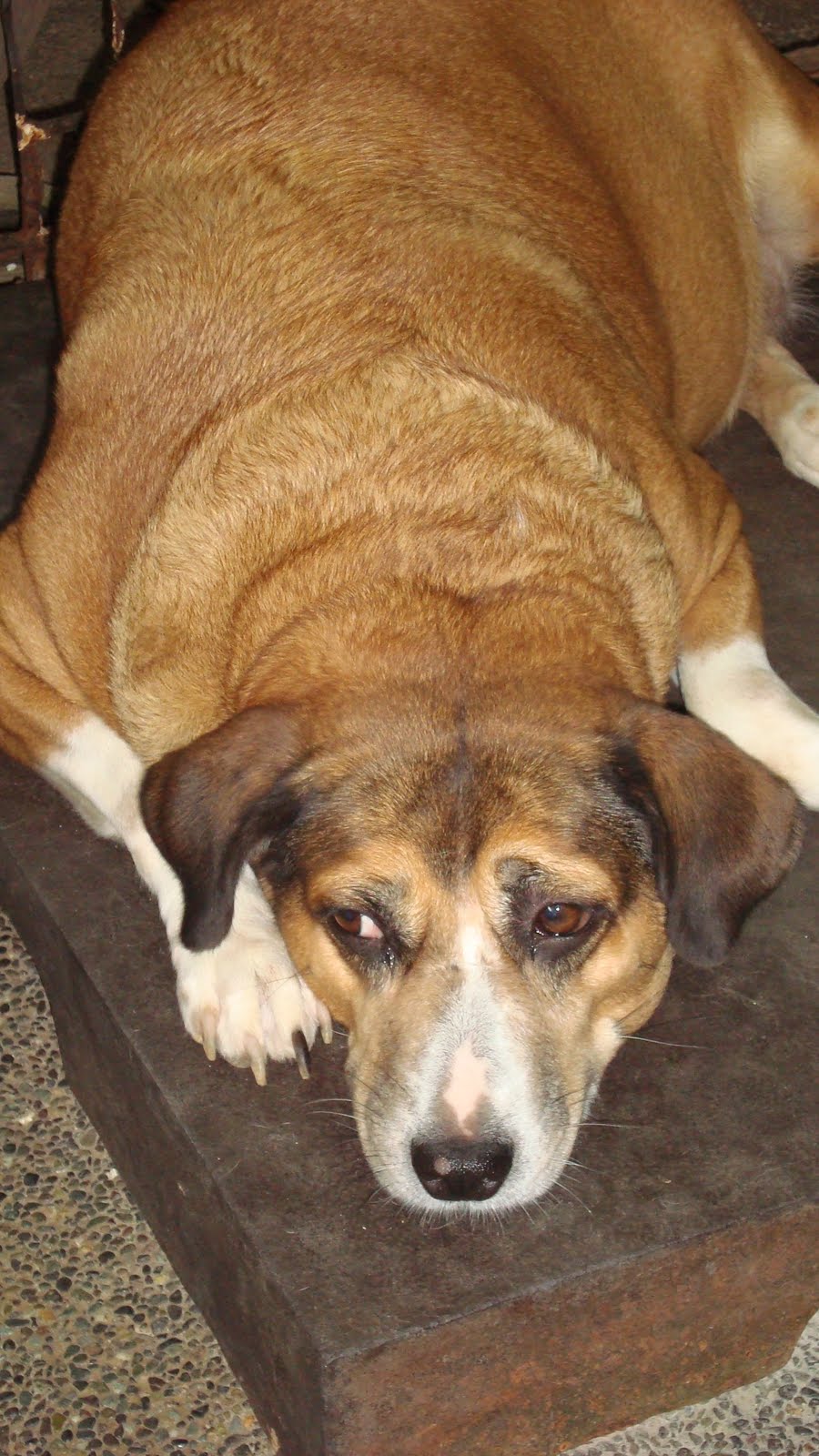
Dogs, two worlds apart


Dr Abe V Rotor

The  genes of the wolf come alive
where the ultimate game is to survive;
the species born in the wild
must in anywhere thrive.
Pity these dogs if they are man's best friend,
Else man is dogs' worst fiend.  


Test the rational side of man
the way he puts a stand
on behalf of his best friend
all the way to the end. 

Who is sad, who is happy?
To be or not to be;
the drama of life to unfold
between man and dog. 

What a loss if help did come late;
innocence to both is no excuse.   
Remembering the rescuer, White Bulldog; 
and the children have found another world;
their language no longer whims and bark
nor friendly pat and leisure in the park.  

Friday, October 14, 2016

Creative Photography - New Field of Humanities

Creative Photography - New Field of Humanities 
Photography has been relegated to the machine. This is not true.  In fact ity has created a new field in humanities - Creative Photography, which is aligned to visual arts and Performing arts. 
Dr Abe V Rotor


Gulliver the giant, Gulliver the pygmy in Jonathan Swift's novels,
two friends acting, each in either role;
for in life, you are at one time a giant, at another you are a dwarf, 
and seeing others the same, wise or fool.

Years apart through three generations make no difference;  
looking back when the old were once children;
and children wishing  for the future within their grasp;
in between the beauty of life is a moving train. 

Image of Mother and Child - Holy Book's symbol of piety;
Holy Trinity too, with a Father God - the greatest mystery;
Prodigal Son and father - the mother Rembrandt sought.
 And Joseph?  Brave soldiers who died in wars they fought?
Community stage play of a subject and theme by local talents;
move over cinema, mall, computer and television;
we have had enough of  robots and cyberspace pseudo heroes;
life's real, we've each a role with common vision.     

Trophies, the greatest is invisible - 
you reward yourself unknown,
the one no other else can own. ,    


Don't cut the trees, don't!
Make a stairway across;
Save the clouds that fill the fount,
We have had enough, the Cross.

Thursday, October 13, 2016

Where have all the salmon gone? We might as well ask now.

Genetically Modified salmon could escape from farms and irreversibly destroy wild salmon populations and ultimately the ecosystem. 

A First for Fish: Genetically Modified Salmon 
Reprint by Catherine Zuckerman
National Geographic, January 2015

Love them or hate them, genetically modified foods are making their way into grocery stores. 

Soybeans and corn have been for sale in the US since the 1990s.  Now if the FDA gives the green light, the first GM animal, a farmed fish known as AquAdvantage salmon, could one day join the ranks.

Developed by Canadian scientists, the fish (photo) is an Atlantic salmon with two tweaks  of its DNA: a growth-hormone gene from the large king salmon and genetic material from the eel-like ocean pout, to keep that growth hormone activated.  The fish which is female and sterile, should reach maximum size quickly in the land-based tanks where it could be raised. 

To keep feed a hungry planet, the GM technology could be used in other species, says spokesman Dave Conley: "Many of the benefits have been downplayed or ignored."

Still, the company was fined for environmental violations, and critics worry the fish could escape into the wild and create new problems.  The FDA has yet to approve it for human consumption.  If allowed, says Ocean Conservancy chief scientist George H Leonard, "it's imperative to be labelled, so consumers can vote with their wallet." 


AquaBounty salmon is the first genetically modified food animal to be approved for sale in Canada. (AquaBounty)

I mourn for the inevitable fate of the beloved wild salmon

 Dr Abe V Rotor
 
David and Goliath, native and GM types in the wild, won't end up with the biblical ending; the smaller salmon won't stand any chance in competing for food, territory and mate, in fact in all aspects of competition in nature. 

Sockeyed salmon on the run to spawn upstream.

GM salmons will consume more - preys and other food sources - to mature earlier and bigger, armed with planned voraciousness, unwittingly limiting supply for their native counterparts, thinning the latter's population.

It is not just simple one-on-one competition; it is overall and interconnected displacement of members in the food chain, cutting links; worse, the food web is disrupted as chains are disturbed, destroying the integrity of the food web, and may collapse pulling down the local ecosystem.

Why the change in feeding habits? GM salmon carries genetic materials of two unrelated species of fish with different eating habits rolled into one - a heretofore salmon feeding, eating almost anything, small and big, live or dead, freely or covertly or savagely, often in quantities more than it needs called luxury feeding, a laboratory induced characteristic to gain Goliath size in a short time.

GM salmon invade and dominate, native salmon population narrows down, soon the overall biological diversity of streams and rivers and lakes, in fact even the ocean since salmons travel far and wide into the open sea before returning to their place of birth - exacerbated by unabated pollution, infrastructures like dam impeding free movement, over and illegal fishing notwithstanding.

Why GM salmon in the first place? Short term economic advantage to feed an exploding human population and meet virtually endless affluent living. Corporate dominance, cartel in the supply GM stock and methodology of production, making GM salmon growers down the line, captive of the "package" they themselves cannot provide except to grow the fish commercially.

Through corporate linkage with the exclusive supplier can GM producers operate, in the like of Bt Corn which is unprofitable to plant the F2 harvest in the hands of the farmer; the GM female salmon is made sterile, in the same way hybrid seeds carry suicide gene, and that hybrid vigor declines in the succeeding generations, an ethico-moral issue worldwide, 
on patenting life and depriving the small man of his right and need. 

Fishing as sport loses its essence, it is like fishing in a fishpond. The thrill dies with the GM salmon et al. In the first place, has the GM salmon lost its homing instinct? Would it rather join its half-brother eel fish living freely in the ocean? Or would the GM salmon rather stay put in its borrowed spawning ground - rivers and lakes? How about the GM-contaminated wild type, now a GM-native hybrid. Has it lost its homing instinct, or its adventurous lifestyle?

How fast will GM contamination spoil natural salmon gene pools; the answer is disturbing as egg fertilization occurs in open water, where the GM sperm fertilizes the native salmon egg, by the millions, nay billions, and here the GM female produces only sterile eggs; which means a single GM salmon male can spoil a whole stream in a short time of GM2 degenerate salmon, like BtCorn polluting whole fields of corn sans its intended resistance - both cases sowing fear, in reality and uncertainty, as to the consequences on humans and the environment.  


It might be the Waterloo of the natural salmon - symbol of pride, culture and values, barometer of pristine environment, doyen of Ichthyology, iconic specimen of natural history; I fear and lament, it might be gone forever, because genetic pollution is permanent, and that it spreads out indefinitely to contaminate the last member of the genetically related species. 

Community fishing, a favorite Canadian sport; lodging house for guests in Lac Du Bonnet where the author spent weekends fishing. 

Many a weekend I spent fishing in Lac Du Bonnet, Winnipeg River and Red River in pre-GMO era, when the adventure of youth was free of threats of modern technology, but today, in postmodern era, I can only go back to cherish sweet memories in archive - and holding hope for the brighter side of Homo sapiens to examine sustainability for the sake of future generations and our living world. ~  


Salmon farming in floating cages and fish pens.  

Acknowledgement: Internet photos

Where have all the salmon gone? We might as well ask now.

Genetically Modified salmon could escape from farms and irreversibly destroy wild salmon populations and ultimately the ecosystem. 

A First for Fish: Genetically Modified Salmon 
Reprint by Catherine Zuckerman
National Geographic, January 2015

Love them or hate them, genetically modified foods are making their way into grocery stores. 

Soybeans and corn have been for sale in the US since the 1990s.  Now if the FDA gives the green light, the first GM animal, a farmed fish known as AquAdvantage salmon, could one day join the ranks.

Developed by Canadian scientists, the fish (photo) is an Atlantic salmon with two tweaks  of its DNA: a growth-hormone gene from the large king salmon and genetic material from the eel-like ocean pout, to keep that growth hormone activated.  The fish which is female and sterile, should reach maximum size quickly in the land-based tanks where it could be raised. 

To keep feed a hungry planet, the GM technology could be used in other species, says spokesman Dave Conley: "Many of the benefits have been downplayed or ignored."

Still, the company was fined for environmental violations, and critics worry the fish could escape into the wild and create new problems.  The FDA has yet to approve it for human consumption.  If allowed, says Ocean Conservancy chief scientist George H Leonard, "it's imperative to be labelled, so consumers can vote with their wallet." 


AquaBounty salmon is the first genetically modified food animal to be approved for sale in Canada. (AquaBounty)

I mourn for the inevitable fate of the beloved wild salmon

 Dr Abe V Rotor
 
David and Goliath, native and GM types in the wild, won't end up with the biblical ending; the smaller salmon won't stand any chance in competing for food, territory and mate, in fact in all aspects of competition in nature. 

Sockeyed salmon on the run to spawn upstream.

GM salmons will consume more - preys and other food sources - to mature earlier and bigger, armed with planned voraciousness, unwittingly limiting supply for their native counterparts, thinning the latter's population.

It is not just simple one-on-one competition; it is overall and interconnected displacement of members in the food chain, cutting links; worse, the food web is disrupted as chains are disturbed, destroying the integrity of the food web, and may collapse pulling down the local ecosystem.

Why the change in feeding habits? GM salmon carries genetic materials of two unrelated species of fish with different eating habits rolled into one - a heretofore salmon feeding, eating almost anything, small and big, live or dead, freely or covertly or savagely, often in quantities more than it needs called luxury feeding, a laboratory induced characteristic to gain Goliath size in a short time.

GM salmon invade and dominate, native salmon population narrows down, soon the overall biological diversity of streams and rivers and lakes, in fact even the ocean since salmons travel far and wide into the open sea before returning to their place of birth - exacerbated by unabated pollution, infrastructures like dam impeding free movement, over and illegal fishing notwithstanding.

Why GM salmon in the first place? Short term economic advantage to feed an exploding human population and meet virtually endless affluent living. Corporate dominance, cartel in the supply GM stock and methodology of production, making GM salmon growers down the line, captive of the "package" they themselves cannot provide except to grow the fish commercially.

Through corporate linkage with the exclusive supplier can GM producers operate, in the like of Bt Corn which is unprofitable to plant the F2 harvest in the hands of the farmer; the GM female salmon is made sterile, in the same way hybrid seeds carry suicide gene, and that hybrid vigor declines in the succeeding generations, an ethico-moral issue worldwide, 
on patenting life and depriving the small man of his right and need. 

Fishing as sport loses its essence, it is like fishing in a fishpond. The thrill dies with the GM salmon et al. In the first place, has the GM salmon lost its homing instinct? Would it rather join its half-brother eel fish living freely in the ocean? Or would the GM salmon rather stay put in its borrowed spawning ground - rivers and lakes? How about the GM-contaminated wild type, now a GM-native hybrid. Has it lost its homing instinct, or its adventurous lifestyle?

How fast will GM contamination spoil natural salmon gene pools; the answer is disturbing as egg fertilization occurs in open water, where the GM sperm fertilizes the native salmon egg, by the millions, nay billions, and here the GM female produces only sterile eggs; which means a single GM salmon male can spoil a whole stream in a short time of GM2 degenerate salmon, like BtCorn polluting whole fields of corn sans its intended resistance - both cases sowing fear, in reality and uncertainty, as to the consequences on humans and the environment.  


It might be the Waterloo of the natural salmon - symbol of pride, culture and values, barometer of pristine environment, doyen of Ichthyology, iconic specimen of natural history; I fear and lament, it might be gone forever, because genetic pollution is permanent, and that it spreads out indefinitely to contaminate the last member of the genetically related species. 

Community fishing, a favorite Canadian sport; lodging house for guests in Lac Du Bonnet where the author spent weekends fishing. 

Many a weekend I spent fishing in Lac Du Bonnet, Winnipeg River and Red River in pre-GMO era, when the adventure of youth was free of threats of modern technology, but today, in postmodern era, I can only go back to cherish sweet memories in archive - and holding hope for the brighter side of Homo sapiens to examine sustainability for the sake of future generations and our living world. ~  


Salmon farming in floating cages and fish pens.  

Acknowledgement: Internet photos

Saturday, October 8, 2016

Grow native onion leek at home


Dr Abe V Rotor


Native onion grown in pot provides ready fresh onion leek for a number of recipes like fried eggs, soup, omelet, kilawin, porridge (lugaw), arroz caldo.

This is one way to encourage kids to have a daily supplement of vegetables. Vary the use of leek in their diet. Onion leek is rich in vitamin K, A, C and B6, manganese,  folate, iron, fiber, magnesium, molybdenum, copper, calcium, and potassium.  It also contains thiamine, riboflavin, and niacin, and antibiotic substances like Allicin  and Alliin - from Allium, the genus of onion (A. cepa), garlic (A. sativum), kutchay (A tuberosum), and the original leek (A. ampeloprasum).  Leeks generally have also high calorie value, and fair amounts of protein and fat. It is no wonder onion is the most important vegetable in the world.
Spouting bulb of shallot or bulb variety (Red Creole). Gather only what you need for the moment using scissor.    Don't cut the entire stem - only mature leaves. 

Grow leek where there is sufficient sunlight, preferably on an elevated place.  It's easy to grow leek from shallot (Sibuyas Tagalog) and from bulb onions (Granex or  Creole). Staggered planting assures continuous supply of leek for the family - and for neighbors too.

A pot of onion leek makes a unique gift to friends who love to cook, those in their senior years, and those convalescing.  Don't forget to add a little ribbon and a personal message.  Make this as project in school and community.  ~


Your unfinished work could be your masterpiece!

Remember those things you thought were "unfinished" could be your greatest treasures, and who knows - people some day will remember you because of them. 
Dr Abe V Rotor
Photos by Anna Christina R Rotor And Leo Carlo R Rotor
Living with Nature - School on Blog

Don't discard your unfinished work, say a painting, novel, sculpture. Try to get back to it. It could be your masterpiece. Maybe you were not able to complete it because you gave way to the priorities of living, or finding new interests, challenges, assignments, or simply you lost steam, so to speak. Or you say you've grown too old to complete it.

Take the case of the mysterious unfinished human figures at the University of the Philippines at Diliman, QC. Do they mean anything but abandonment? To me it's not. So with my daughter Anna and son Leo Carlo who took these photographs.


These unfinished life size human figures occupy the “less trodden” front yard of the UP College of Fine Arts in Diliman, QC. The artists may have in mind the portrayal of man more as a Homo faber - man the worker or maker rather than his attribute as the reasoning man (Homo sapiens) - and much less the playing man - Homo ludens. Here the figures appear to be workers of the land. In fact one resembles the Man with a Hoe by Markham. Another appears to be carrying an imaginary heavy load.

What is puzzling however, is the representation of peaceful death. While the living struggle, the dead lies in true rest, cradled by the earth. Which then changes the scenario if all the figures were to be directed to a solemn and sorrowful occasion of burying a departed member in thin ceremonious atmosphere. It now expresses the highest attribute of man - Homo spiritus - the praying man who places completely his fate to a Higher Being. The viewer now turns his thoughts to grief and compassion, and the scene is no longer the farm but a sacred ground. The imagined heavy load is a  burden of the heart, the figures are bent not by the burden of work but by the loss of a loved one.

Art is like that. It is like poetry, the meaning is hidden "between the lines." Like impressions in Impressionism; points in Pointillism. Or masked symbols in Pablo Picasso's plaza mural - Guernica. Unfinished works of masters often become their masterpieces like the Unfinished Symphony of Beethoven, and Mozart's Requiem, his last composition commissioned by a mysterious person. Mozart died before finishing it, and Requiem became his own. Auguste Renoir repeatedly painted his favorite Nymphaea Waterlilies until darkness took over his failing sight - so with the painting's clarity. Though half finished it is Renoir's final signature.

Venus de Milo is more beautiful with her arms missing. And for this, the best artists in the world gave up their attempt to supply her arms.

The mystery of the human figures of UP Diliman emanates from the anonymity of their theme that stands at the crossroad of human imagination searching for the meaning of life, exacerbated by their unfinished, and apparent abandoned state.

So what have you discovered about yourself by going back to those unfinished works? Share with us your experience. Remember those things you abandoned could be your greatest treasures, and who knows - people some day will remember you because of them. ~